
Posted on December 01, 2025
A healthy, confident smile is a vital part of well-being. When a tooth is severely damaged, decayed, or worn down, a simple filling may not be enough to restore its strength and function. This is where a dental crown, often referred to as a tooth crown or dental cap, becomes an essential restorative treatment.
For many Canadians, understanding the dental crown process, the potential cost of a dental crown, and how to ensure its longevity is the first step toward a successful outcome. This comprehensive guide will walk you through everything you need to know, with a focus on Canadian context and best practices.
What is a Dental Crown and Why Might You Need One?
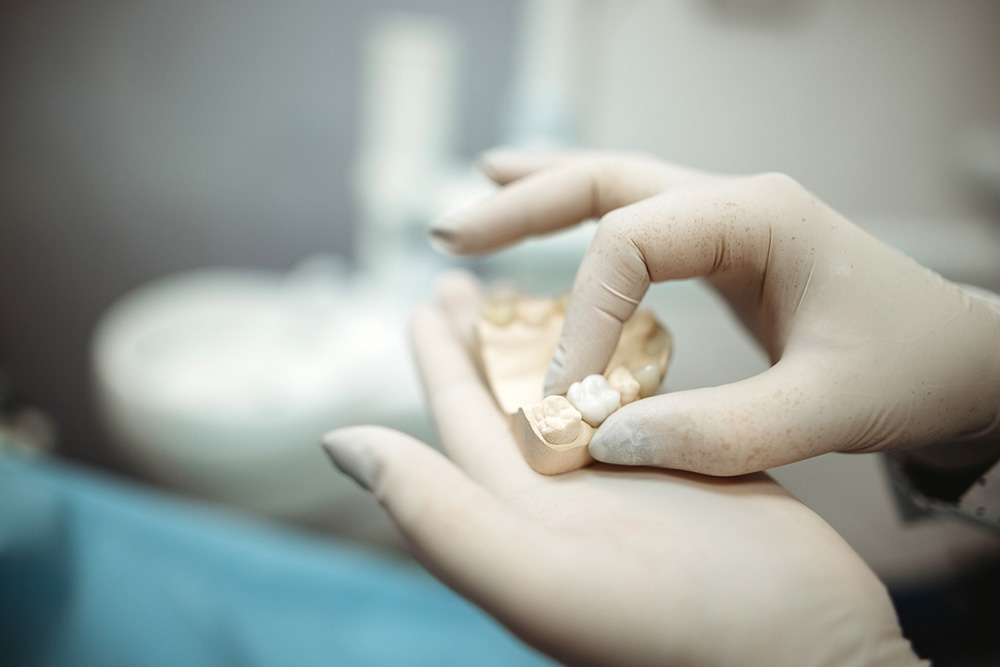
A dental crown is a tooth-shaped "cap" that is placed over a prepared tooth to restore its shape, size, strength, and improve its appearance. It essentially covers the entire visible portion of the tooth above the gum line. A crown is not a temporary fix; it's a durable, custom-made restoration designed to last for many years.
By covering the tooth, the crown provides a protective shield, preventing further damage and allowing you to chew and speak normally. The Canadian Dental Association (CDA) recognizes crowns as a key procedure for restoring severely damaged teeth.
Common Reasons for a Dental Crown
Your dentist may recommend a tooth crown for several common reasons:
- Protecting a Weak Tooth: To save a tooth from fracturing, especially if it has extensive decay or a large filling that compromises its structure.
- Restoring a Broken or Severely Worn Tooth: Crowns can restore the natural shape of a tooth that has been broken or severely worn down from grinding (bruxism) or erosion.
- Covering a Tooth After a Root Canal: Following a root canal procedure, a tooth often becomes more brittle. A crown is essential to protect the treated tooth from breaking.
- Holding a Dental Bridge in Place: Crowns are used on the natural teeth (abutment teeth) next to a gap to anchor a dental bridge.
- Cosmetic Modification: To cover a severely stained, discoloured, or misshapen tooth to enhance the appearance of your smile.
Types of Dental Crowns
The material chosen for your dental cap will influence its aesthetics, durability, and cost. Your dentist will help you choose based on the tooth's location and your specific needs.
Common types include:
- All-Porcelain / All-Ceramic: These offer an excellent, natural look and are ideal for those with metal allergies. They are often preferred for front teeth where aesthetics are paramount.
- Zirconia: This material is extremely strong and durable while still offering great aesthetics. It is often recommended for back teeth (molars) due to the high chewing pressure.
- Porcelain-Fused-to-Metal (PFM): This type combines the strength of a metal core with a porcelain exterior, providing a balance of durability and appearance, often used on back teeth.
- Gold Alloy: These are highly durable, biocompatible, and gentle on opposing teeth. They are typically used on back teeth where strength and longevity are prioritized over aesthetics.
- CEREC Crown: This crown is milled chairside using CAD/CAM technology, allowing for a permanent crown to be placed in a single appointment, provided the technology is available at your clinic.
The advent of materials like Zirconia and technologies like CEREC crown (Chairside Economical Restoration of Esthetic Ceramics) has made it possible to achieve restorations that are both exceptionally strong and aesthetically pleasing.
The Dental Crown Procedure: A Step-by-Step Guide
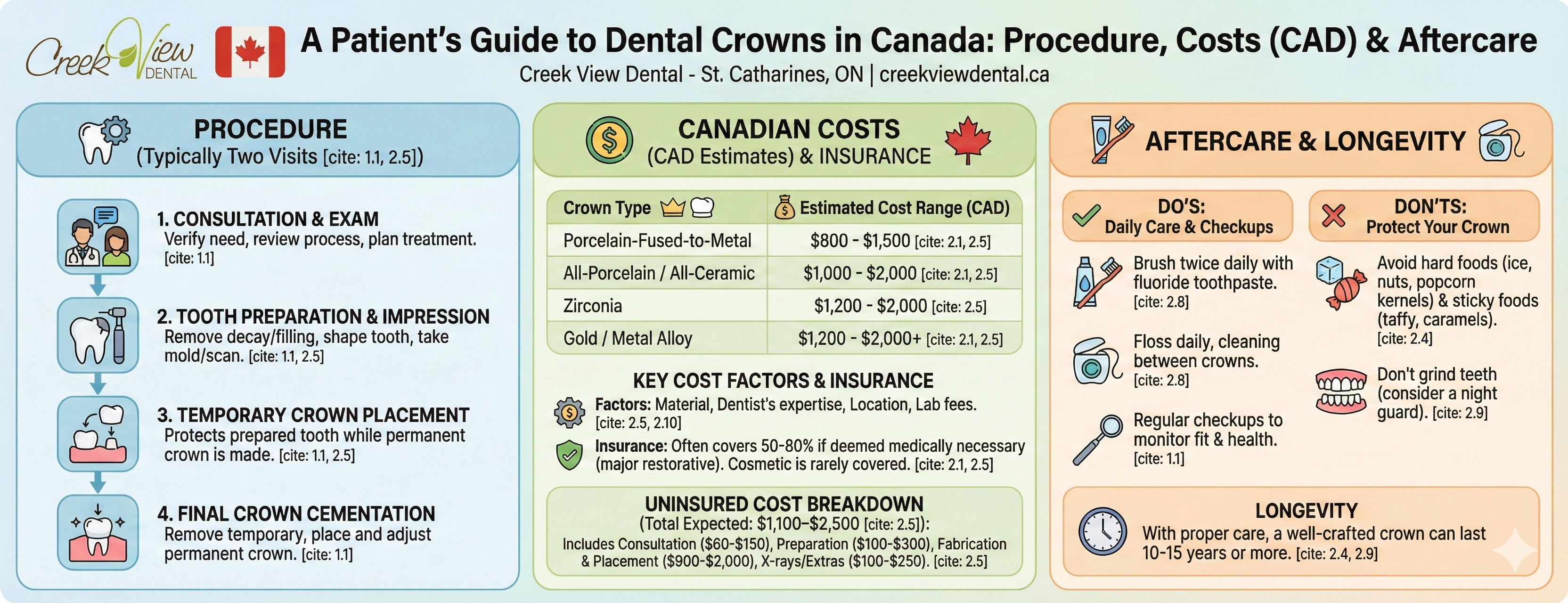
The traditional dental crown process typically requires two visits to your dentist, though a CEREC crown allows for a single-visit procedure.
Your First Visit: Consultation and Tooth Preparation
- Initial Assessment: Your dentist will examine the tooth and take X-rays to assess the root and surrounding bone. If the tooth has extensive decay or damage, a root canal or core build-up may be required before the crown can be placed.
- Tooth Preparation: The tooth is numbed with a local anesthetic. The dentist then meticulously reshapes (or "preps") the tooth by removing a portion of the outer surface (enamel and dentin). This creates space for the crown to fit over it without appearing bulky.
- Impressions: An accurate impression (mold) is taken of the prepared tooth. This can be done using a putty-like material or modern digital scanning. The impression is sent to a dental laboratory, along with the correct shade, where a custom permanent crown will be fabricated.
Receiving Your Temporary Crown
Before you leave the first appointment, your dentist will place a temporary crown over the prepared tooth. This provisional cap protects the exposed tooth and gum tissue, prevents the tooth from shifting, and allows you to maintain your appearance while the lab creates your final restoration. You must be careful with your temporary crown, avoiding sticky and hard foods.
The Second Visit: Placing Your Permanent Crown
- Fitting and Adjustment: Once the permanent crown arrives from the lab (typically 1–3 weeks later), you will return for your second visit. The temporary crown is removed.
- Trial Placement: Your dentist will carefully place the new crown over your tooth, checking the fit, colour, and how it aligns with your bite. Any minor adjustments to the shape or fit are made at this stage.
- Final Cementation: Once you and your dentist are satisfied, the permanent crown is secured onto your tooth using a durable dental cement. Excess cement is removed, and you now have a fully restored tooth.
Understanding the Cost of Dental Crowns in Ontario
The cost of a dental crown in Ontario is a significant consideration. Dental fees in Canada are set by individual dentists, often guided by the provincial suggested fee guides, such as the one published by the Ontario Dental Association (ODA).
Factors that Influence the Cost
In Ontario, a single dental crown (excluding any preliminary work like a root canal or core build-up) can typically range from $900 to over $2,000 CAD. This wide range is influenced by several factors:
- Material: All-ceramic, Zirconia, or Gold Alloy crowns are generally at the higher end of the scale due to material cost and lab fees. Porcelain-Fused-to-Metal (PFM) may be more moderately priced.
- Preparation: If you require a root canal, core build-up, or gum surgery beforehand, the total cost will increase significantly.
- Technology: Crowns made using CAD/CAM technology, like a CEREC crown, may incur a different cost structure than lab-fabricated ones.
- Geographic Location: Fees can vary between major urban centres like Toronto and smaller, regional clinics.
Does Dental Insurance Cover Crowns?
Private or employer-sponsored dental insurance plans often cover a portion of the cost of a dental crown, as it is considered a major restorative procedure.
- Percentage Coverage: Most plans cover 50% of the cost for major restorative work. However, there is often an annual maximum benefit.
- Pre-Authorization: It is highly recommended to submit a pre-treatment estimate to your insurance provider before the procedure begins. This confirms how much your specific plan will cover, preventing unexpected out-of-pocket expenses.
- The Canadian Dental Care Plan (CDCP): As a new government program, the CDCP may cover crowns for eligible individuals, often requiring pre-authorization and adhering to specific coverage guidelines. You should check the current CDCP details to understand its specific coverage and co-payment structure.
Aftercare: How to Care for Your New Dental Crown
A well-maintained permanent crown can last 10 to 15 years, or even longer. Proper dental crown aftercare is crucial for ensuring its longevity and protecting the tooth underneath.
Tips for Long-Lasting Crowns
- Maintain Excellent Oral Hygiene: Brush twice daily with non-abrasive, fluoride toothpaste and a soft-bristled brush. Floss daily, making sure to clean carefully at the base of the crown where it meets the gumline—this is a vulnerable spot for decay.
- Floss with Care: When flossing around the crown, slide the floss out from the side rather than snapping it up and out, which could potentially dislodge the crown.
- Wear a Night Guard: If you grind or clench your teeth (bruxism), a custom night guard will protect your crown (and all your teeth) from excessive force.
- Regular Dental Visits: Continue with your regular check-ups and cleanings. Your dentist will monitor the crown's fit and the health of the underlying tooth and gums.
Foods to Avoid After a Dental Crown Procedure
While a permanent crown is strong, certain foods can pose a risk, especially with a temporary crown or in the initial days after cementation.
- Sticky Foods: Foods like caramel, taffy, and chewing gum can grab and pull a crown, especially a temporary one.
- Hard Foods: Avoid ice, hard candies, nuts, and popcorn kernels, as these can crack, chip, or loosen the crown.
- Chewy/Tough Foods: Cut tough meats and crusty breads into small, manageable pieces.
- Immediately After (Temporary Crown): Chew on the opposite side of your mouth to prevent dislodging the provisional crown.
Frequently Asked Questions About Dental Crowns
Do crowns feel different? Initially, you may feel some mild sensitivity or notice a slight difference in your bite, but this usually subsides within a few days as your mouth adjusts. If the bite feels "high" or uneven, call your dentist for an adjustment.
Can the tooth underneath the crown get a cavity? Yes. The crown only covers the visible portion of the tooth. Decay can still form at the margin where the crown meets the natural tooth and the gumline. This is why proper oral hygiene and flossing are so important.
What should I do if my temporary crown falls off? Call your dentist immediately. Save the temporary crown and, if instructed by your dentist, you may be able to temporarily re-cement it with a small dab of over-the-counter dental cement or even toothpaste until you can get to the office. The underlying tooth needs protection.
Contact Us Today
Dental crowns are a time-tested, effective solution for restoring the health and aesthetics of a damaged tooth. By understanding the procedure, the factors affecting the cost, and committing to diligent dental crown aftercare, you can ensure your new dental cap provides you with a strong, beautiful smile for years to come. Contact Creek View Dental today to discuss the best options to suit your personal dental needs.